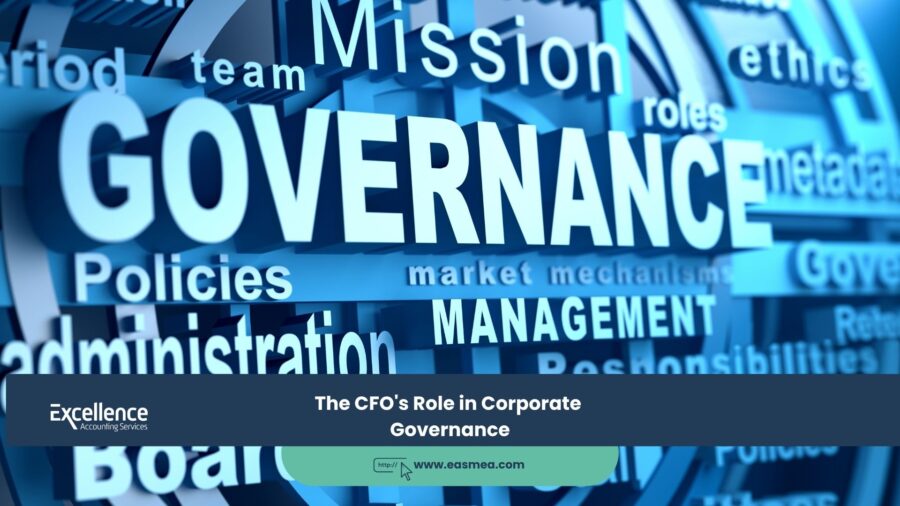
The CFO’s Role in Corporate Governance: Architect of Trust and Value
Corporate governance—the system of rules, practices, and processes by which a company is directed and controlled—is the bedrock upon which sustainable business success is built. It encompasses everything from board oversight and internal controls to ethical conduct and stakeholder communication. While historically the domain primarily of the board and legal counsel, the modern Chief Financial Officer (CFO) has emerged as a central and indispensable figure in the governance landscape. The CFO’s unique position at the intersection of finance, strategy, and operations provides a comprehensive view of the organization, making them uniquely equipped to champion, implement, and monitor effective governance practices.
- The CFO's Role in Corporate Governance: Architect of Trust and Value
- Part 1: Ensuring Financial Reporting Integrity
- Part 2: Designing and Monitoring Internal Controls
- Part 3: Strategic Risk Management
- Part 4: Championing Ethical Conduct and Transparency
- Part 5: Interacting with the Board and Audit Committee
- Part 6: Ensuring Regulatory Compliance
- Part 7: Facilitating Stakeholder Communication
- EAS: Your Partner in Strengthening Corporate Governance
- Frequently Asked Questions (FAQs) on the CFO and Governance
- Is Your Governance Framework Built for the Future?
In the context of the UAE’s rapidly maturing economy and its increasing integration into global financial markets, the importance of robust corporate governance cannot be overstated. Regulatory bodies like the Securities and Commodities Authority (SCA) are placing greater emphasis on governance standards, driven by the need to enhance transparency, protect investors, and foster market confidence, especially with the introduction of VAT and Corporate Tax. For the CFO, this means their role has evolved significantly beyond traditional financial stewardship. They are now expected to be a strategic partner to the board, a guardian of financial integrity, a key communicator with stakeholders, and a champion of ethical conduct throughout the organization. This guide delves into the multifaceted role of the CFO in corporate governance, outlining their key responsibilities and demonstrating how effective governance, spearheaded by the finance function, is not a compliance burden but a strategic imperative for long-term value creation.
Key Takeaways on the CFO and Governance
- Guardian of Financial Integrity: The CFO is primarily responsible for ensuring the accuracy, completeness, and timeliness of financial reporting, forming the basis of trustworthy communication.
- Architect of Internal Controls: Designing, implementing, and monitoring a robust system of internal controls to safeguard assets and prevent fraud is a core CFO responsibility.
- Strategic Risk Manager: The CFO plays a key role in identifying, assessing, and mitigating financial risks across the organization.
- Champion of Ethical Conduct: The CFO sets the “tone at the top” for ethical behavior within the finance function and promotes financial transparency throughout the company.
- Key Liaison with the Board & Audit Committee: The CFO provides the board, particularly the Audit Committee, with the financial information and insights needed for effective oversight.
- Ensuring Regulatory Compliance: The CFO oversees compliance with financial regulations, including accounting standards (IFRS), tax laws (VAT, Corporate Tax), and listing requirements (SCA, DFM/ADX).
- Facilitator of Stakeholder Communication: The CFO is often a primary point of contact for investors, lenders, and analysts, responsible for communicating the company’s financial performance and strategy.
Part 1: Ensuring Financial Reporting Integrity
This is arguably the most fundamental governance responsibility of the CFO. Accurate and transparent financial reporting is the foundation upon which all stakeholder trust is built. Investors, lenders, regulators, and even employees rely on the financial statements to make informed decisions.
CFO’s Responsibilities:
- Compliance with Accounting Standards (IFRS): Ensuring that the financial statements are prepared in strict accordance with International Financial Reporting Standards (IFRS), providing consistency and comparability.
- Accuracy and Completeness: Implementing processes and controls to ensure that all transactions are recorded accurately and that the financial statements present a true and fair view of the company’s performance and position.
- Timeliness: Establishing efficient closing processes to ensure financial reports are produced on time for board meetings, regulatory filings, and investor communications.
- Disclosure Controls and Procedures: Implementing procedures to ensure that all material information required for public disclosure is identified, recorded, processed, and reported accurately and timely.
- Working with External Auditors: Managing the relationship with the external auditors, ensuring they have the access and information needed to perform their independent review, and addressing any findings or recommendations.
The credibility of the entire organization rests on the integrity of the numbers produced by the finance function, making meticulous accounting and bookkeeping the non-negotiable starting point.
Part 2: Designing and Monitoring Internal Controls
Internal controls are the policies and procedures designed to safeguard company assets, ensure the reliability of financial reporting, promote operational efficiency, and ensure compliance with laws and regulations. The CFO is typically the chief architect and overseer of this critical framework.
Key Areas of Focus:
- Segregation of Duties (SoD): Implementing SoD across key financial processes (payments, receipts, payroll) to reduce the opportunity for fraud. (See our guide on Financial Controls for Fraud Prevention).
- Authorization Procedures: Establishing clear approval limits and workflows for expenditures, hiring, and other significant transactions.
- Reconciliation Processes: Ensuring regular and independent reconciliation of bank accounts, accounts receivable, accounts payable, and other key balances. Our account reconciliation services focus specifically on this.
- IT General Controls (ITGCs): Ensuring appropriate controls over financial systems, including access security, data backup, and change management.
- Periodic Review and Testing: Regularly assessing the effectiveness of existing controls and updating them as the business evolves or new risks emerge. This is often supported by an internal audit function or service provider.
A strong internal control environment is not just about preventing fraud; it’s about ensuring the accuracy and reliability of the financial data used for decision-making at all levels.
Part 3: Strategic Risk Management
While the CEO is ultimately responsible for overall risk management, the CFO plays a crucial role in identifying, assessing, quantifying, and mitigating *financial* risks.
Financial Risks Under the CFO’s Purview:
- Liquidity Risk: Ensuring the company has sufficient cash to meet its short-term obligations. This involves robust cash flow management and forecasting.
- Credit Risk: Managing the risk of customers defaulting on their payments (accounts receivable management).
- Market Risk: Managing exposure to fluctuations in interest rates, foreign exchange rates, and commodity prices.
- Financing Risk: Ensuring the company has access to adequate funding at reasonable costs.
- Compliance Risk: The risk of financial penalties or reputational damage from failing to comply with tax laws, accounting standards, or other regulations.
The CFO must implement policies and procedures (e.g., hedging strategies, credit policies, robust compliance checks) to manage these risks and report on the company’s risk exposure to the board.
Part 4: Championing Ethical Conduct and Transparency
Good governance is fundamentally about ethics and integrity. The CFO, as the steward of the company’s financial resources and reporting, plays a vital role in setting the ethical tone.
Promoting an Ethical Culture:
- “Tone at the Top”: Demonstrating unwavering commitment to ethical conduct and transparency in all financial dealings.
- Code of Conduct: Helping to develop and enforce a corporate code of conduct, particularly regarding financial integrity, conflicts of interest, and expense reporting.
- Whistleblower Mechanisms: Supporting confidential channels for employees to report suspected financial irregularities or unethical behavior.
- Transparency in Reporting: Ensuring that financial disclosures are not just compliant but also clear, understandable, and provide a balanced view of the company’s performance and risks.
An ethical lapse within the finance function can destroy a company’s reputation overnight. The CFO is the primary guardian against this risk.
Part 5: Interacting with the Board and Audit Committee
The board of directors, and specifically its Audit Committee, relies heavily on the CFO for accurate information and expert guidance to fulfill its oversight responsibilities.
The CFO’s Role with the Board:
- Providing Timely and Accurate Reports: Delivering comprehensive financial reports, budgets, forecasts, and analyses to the board.
- Educating the Board: Explaining complex financial matters, accounting changes, and risk exposures in a clear and concise manner.
- Supporting the Audit Committee: Working closely with the Audit Committee on matters related to financial reporting, internal controls, external audits, and compliance. The CFO is typically the main management liaison to this committee.
- Strategic Input: Providing financial insights and analysis to support the board’s strategic decision-making process (e.g., evaluating M&A opportunities, major investments). Strategic CFO services are crucial here.
A transparent and collaborative relationship between the CFO and the board is essential for effective governance.
Part 6: Ensuring Regulatory Compliance
Navigating the complex web of financial regulations is a core governance responsibility overseen by the CFO.
Key Compliance Areas:
- Accounting Standards (IFRS): Ensuring adherence to the latest standards.
- Tax Laws: Ensuring timely and accurate compliance with UAE VAT and Corporate Tax regulations, working with VAT consultants and tax advisors.
- Securities Laws (if listed): Complying with the disclosure and reporting requirements of the SCA and the relevant exchange (DFM/ADX).
- Industry-Specific Regulations: Adhering to financial regulations specific to the company’s industry (e.g., banking, insurance).
- Labor Laws: Ensuring compliance with regulations related to payroll, benefits, and End-of-Service Gratuity.
Non-compliance can result in severe financial penalties, legal action, and reputational damage.
Part 7: Facilitating Stakeholder Communication
The CFO is often a key spokesperson for the company to the financial community and other stakeholders.
Communicating Financial Performance and Strategy:
- Investor Relations: Participating in earnings calls, investor conferences, and meetings to explain financial results and outlook.
- Lender Relations: Managing relationships with banks and other lenders, providing required financial reporting and ensuring compliance with loan covenants.
- Analyst Communications: Engaging with sell-side analysts who cover the company or industry.
- Internal Communication: Communicating financial performance, budgets, and strategic financial priorities to employees.
Clear, consistent, and transparent communication builds trust and confidence among all stakeholders.
EAS: Your Partner in Strengthening Corporate Governance
Implementing and maintaining strong corporate governance requires dedicated expertise and robust processes. Excellence Accounting Services (EAS) provides the support and strategic guidance needed to build a governance framework that protects and enhances value.
- Outsourced CFO Services: Our seasoned CFOs act as your strategic governance partner, designing control frameworks, managing board reporting, overseeing compliance, and providing high-level financial leadership.
- Internal Audit Services: Our internal audit function provides independent assurance on the effectiveness of your internal controls, risk management, and governance processes.
- Accounting Review & IFRS Advisory: Our accounting review services ensure your financial reporting is accurate, compliant with IFRS, and ready for audit scrutiny.
- Tax Compliance & Advisory: Our experts ensure you navigate the complexities of UAE VAT and Corporate Tax effectively and efficiently.
- Technology & Systems Implementation: We help you implement systems like Zoho Books with the necessary controls, user permissions, and audit trails built-in through our accounting system implementation services.
Frequently Asked Questions (FAQs) on the CFO and Governance
The CEO is ultimately responsible for the overall strategy and performance of the company and sets the ethical tone. The CFO has a specific focus on financial integrity, internal controls, risk management related to finance, and accurate reporting to the board and external stakeholders. They work closely together, with the CFO providing the financial underpinning for the CEO’s strategic vision.
The Audit Committee is a subcommittee of the Board of Directors, typically composed of independent directors with financial expertise. Its primary role is to oversee financial reporting, internal controls, and the external audit process. The CFO reports directly to the CEO but has a critical dotted-line reporting relationship to the Audit Committee, meeting with them regularly (often without the CEO present) to discuss financial results, controls, and audit findings.
Yes, it’s common in many companies for the CFO to also hold a board seat (as an “executive director”). However, good governance practice suggests that key committees, especially the Audit Committee, should be composed primarily or entirely of independent, non-executive directors.
Through leadership by example, consistent communication about the importance of integrity, ensuring fair and transparent financial processes (e.g., expense approvals), holding individuals accountable for breaches, and celebrating ethical behavior. Culture is shaped by actions more than words.
These are processes designed to ensure that all information required to be disclosed by the company in its public reports (financial and non-financial) is recorded, processed, summarized, and reported accurately and on time. The CFO and CEO are typically required to certify the effectiveness of these controls for listed companies.
While the CFO is responsible for implementing a system of internal controls designed to *prevent* and *detect* fraud, they cannot guarantee that fraud will never occur, especially if there is collusion or management override. However, if fraud occurs due to a clear and demonstrable failure in the design or operation of controls overseen by the CFO, they could be held accountable.
Technology is a double-edged sword. Modern systems (like ERPs and cloud accounting) enable better controls, automation, and data analysis, enhancing governance. However, they also introduce new risks (cybersecurity, data privacy) that the CFO must oversee. Systems like Zoho Books provide essential audit trails and user permission controls.
Beyond technical accounting and finance expertise, they need strong leadership skills, impeccable integrity, excellent communication abilities (to explain complex issues clearly), strategic thinking, and the courage to challenge assumptions and speak truth to power (including to the CEO and the board).
Investors view strong governance as a sign of lower risk and higher quality management. Companies with transparent reporting, robust controls, and effective board oversight are often perceived as less risky investments and may command a higher valuation multiple (business valuation) compared to poorly governed peers.
Even with limited resources, focus on: 1) Accurate and timely bookkeeping. 2) Basic segregation of duties around cash payments (owner approves, someone else processes). 3) Owner review of bank statements and reconciliations. 4) Ensuring VAT and Corporate Tax compliance. These basics provide a foundation of control and financial visibility.
Conclusion: The CFO as a Strategic Guardian
The role of the CFO in corporate governance has evolved far beyond the traditional gatekeeper of the company’s finances. Today’s CFO is a strategic partner, an ethical leader, and a crucial architect of the systems and processes that ensure transparency, accountability, and long-term value creation. By embracing this expanded mandate—championing financial integrity, building robust controls, managing risk proactively, and fostering open communication—CFOs in the UAE can not only ensure compliance but also build the stakeholder trust and confidence that are essential for sustainable success in an increasingly complex global marketplace. Strong governance, led by a strategic CFO, is not a constraint; it is a competitive advantage.